
Introduction
Leadership and management are often seen as overlapping concepts, but are they truly the same? Many organisations, including corporations, academics, theorists, researchers, and authors, recognize the importance of understanding the differences between the two. In the past, leaders founded companies while managers were hired to handle operations. However, nowadays, business management education dominates our educational system, blurring the distinction between leadership and management. This blog – Navigating the Divide – The Distinct Pathways of Leadership and Management aims to delve into the disparities between them.
Although people often confuse leadership and management, they are fundamentally different. The key distinction lies in the followership aspect: leaders have people who follow them, while managers have individuals who simply work for them.
Leadership entails inspiring people to understand and believe in the company’s vision and working together to achieve shared goals. On the other hand, management focuses on administering work and ensuring day-to-day activities are carried out effectively.
For a business to succeed, it requires both a strong leader and manager who can rally their team toward the envisioned success. They must rise above distractions, manage their time effectively, and maintain peak focus and performance. Thus, leadership and management are intertwined and complementary. While not identical, they are intricately connected. Any attempt to separate the two within an organisation is likely to create more issues than it resolves.
Definitions of Leadership and Management
What is Leadership?

Many researchers like Stogdill, Capowski and Peter Drucker have defined leadership over the years. So, let us see what leadership is.
Leadership is the process of guiding and influencing others to work together towards a shared goal. Leadership utilises effective communication, inspiration, and strategic decision-making to bring about positive and meaningful organisational change. Leadership uses human resources specifically to maximise desired outcomes.
Leadership is not about titles or personal objectives but rather vision and positive change.
What is Management?

Management is a proactive process where individuals oversee and coordinate activities to achieve organisational goals. It involves planning, organizing, leading, and controlling tasks to ensure effective performance. Managers are responsible for guiding their subordinates, communicating effectively, providing inspiration, and fostering productivity to become effective leaders.
Management has definite job roles outlined for particular organisations. Though managers could transform into leaders it is not always possible.
Difference Between Leadership and Management
Understanding these distinctions is crucial for success in the workplace.
| Management | Leadership |
| Management plans, budgets, and sets timelines. They show an impersonal attitude towards vision and goals.
|
Leadership sets direction, develops vision, and creates strategic plans. They are passionate about their vision and goals.
|
| Management organises, staffs, and delegates responsibilities. They implement the vision with policies and procedures, displaying low emotion and limiting employee choices.
|
Leadership aligns the organisation, communicates vision, and influences coalitions and partnerships. They are driven and increase choices for team members.
|
| Management controls processes, solves problems, and takes a low-risk approach. | Leadership motivates, inspires, satisfies basic needs, and takes a high-risk approach.
|
| Management aims for order and predictability, providing consistent results.
|
Leadership promotes useful and dramatic changes, improving labour relations.
|
| Managers ask “how” and “when” questions, ensuring correct execution.
|
Leaders ask “what” and “why” questions, learning from failures. |
| Managers organise and use coordinated activities. | Leaders align and influence people.
|
| Management is a specific role with fixed responsibilities.
|
Leadership emerges from actions and inspiring others.
|
Guidelines For Business Success and Leadership/Management
In the 80s, researchers studied quality and business excellence. After much research, they created different Business Excellence Frameworks and models. These models emphasized leadership and management’s importance and their impact on businesses.
Guidelines for business success shed light on the roles of leaders and managers. They revealed that leadership influences policy, strategy, continuous improvement, and change. The frameworks also revealed that leadership plays a crucial role in achieving excellent results. Moreover, frameworks revealed the importance of management at all levels in an organisation. Managers implement strategies, handle resources, and drive operational measures. They manage people, partnerships, resources, and processes to ensure organisational success.
Examples of Well-Known Business Excellence Frameworks
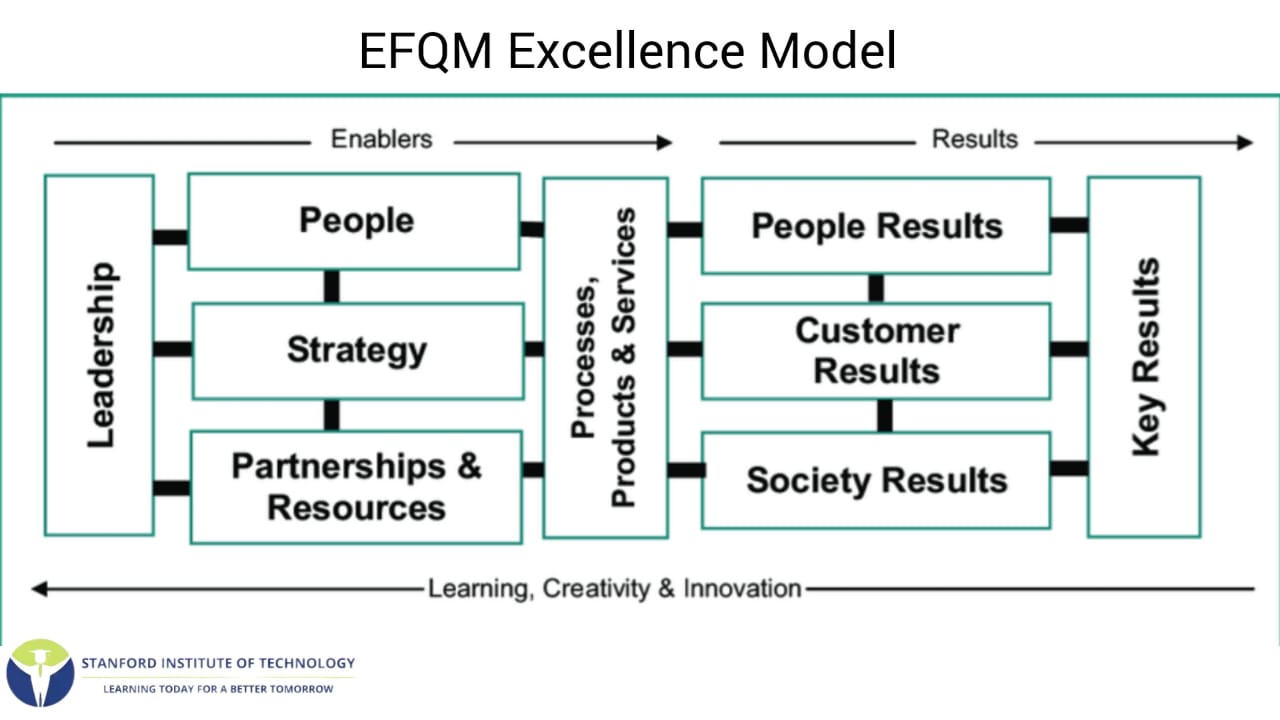
1. EFQM Excellence Model:
It has nine criteria and emphasises leadership as a driving force. It has a weight of 10% in the model.
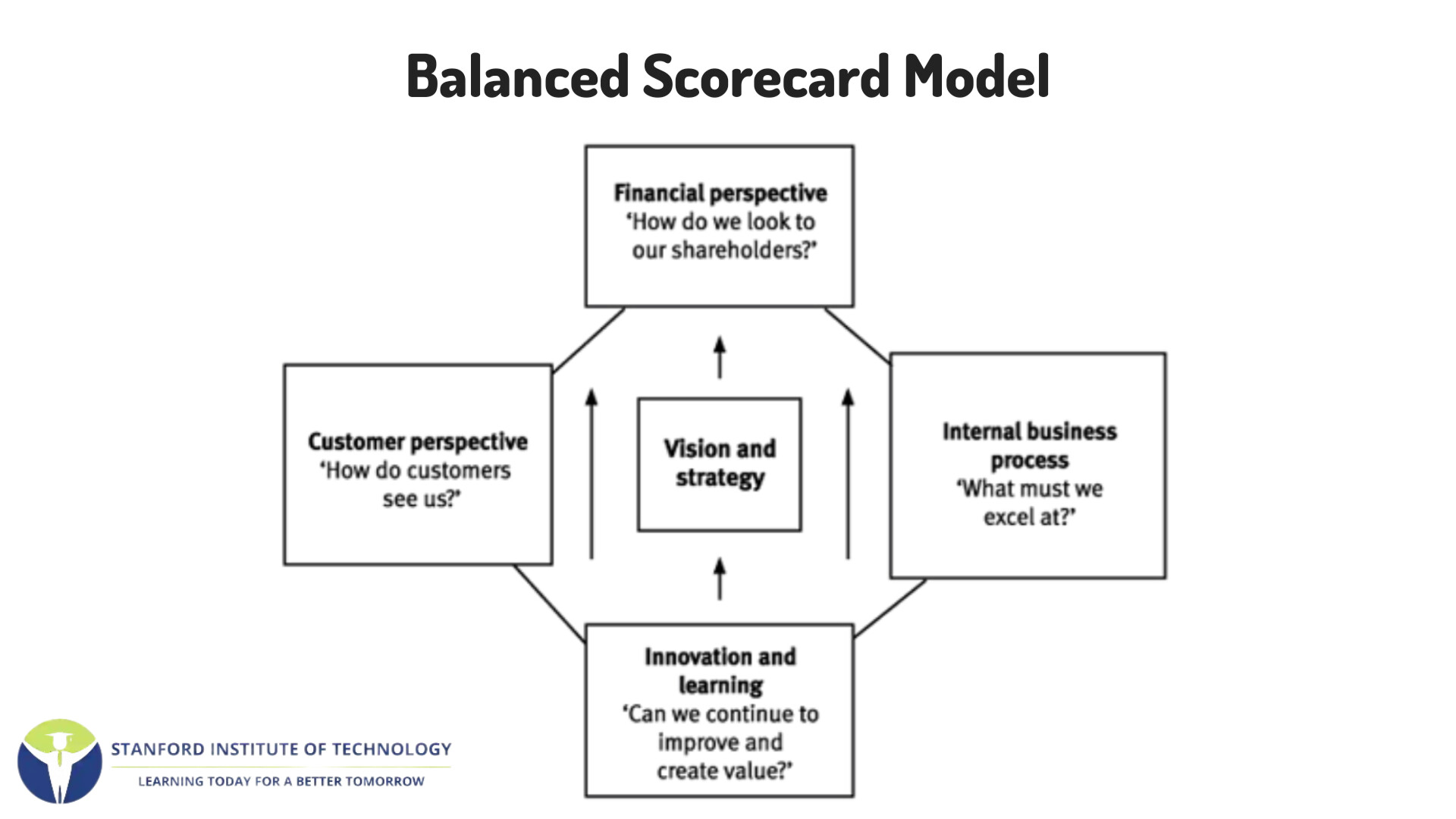
2. Balanced Scorecard:
It provides a comprehensive view of the business, focusing on customers, finance, internal operations, and innovation. Leadership understands customer requirements, drives change, and ensures financial performance.
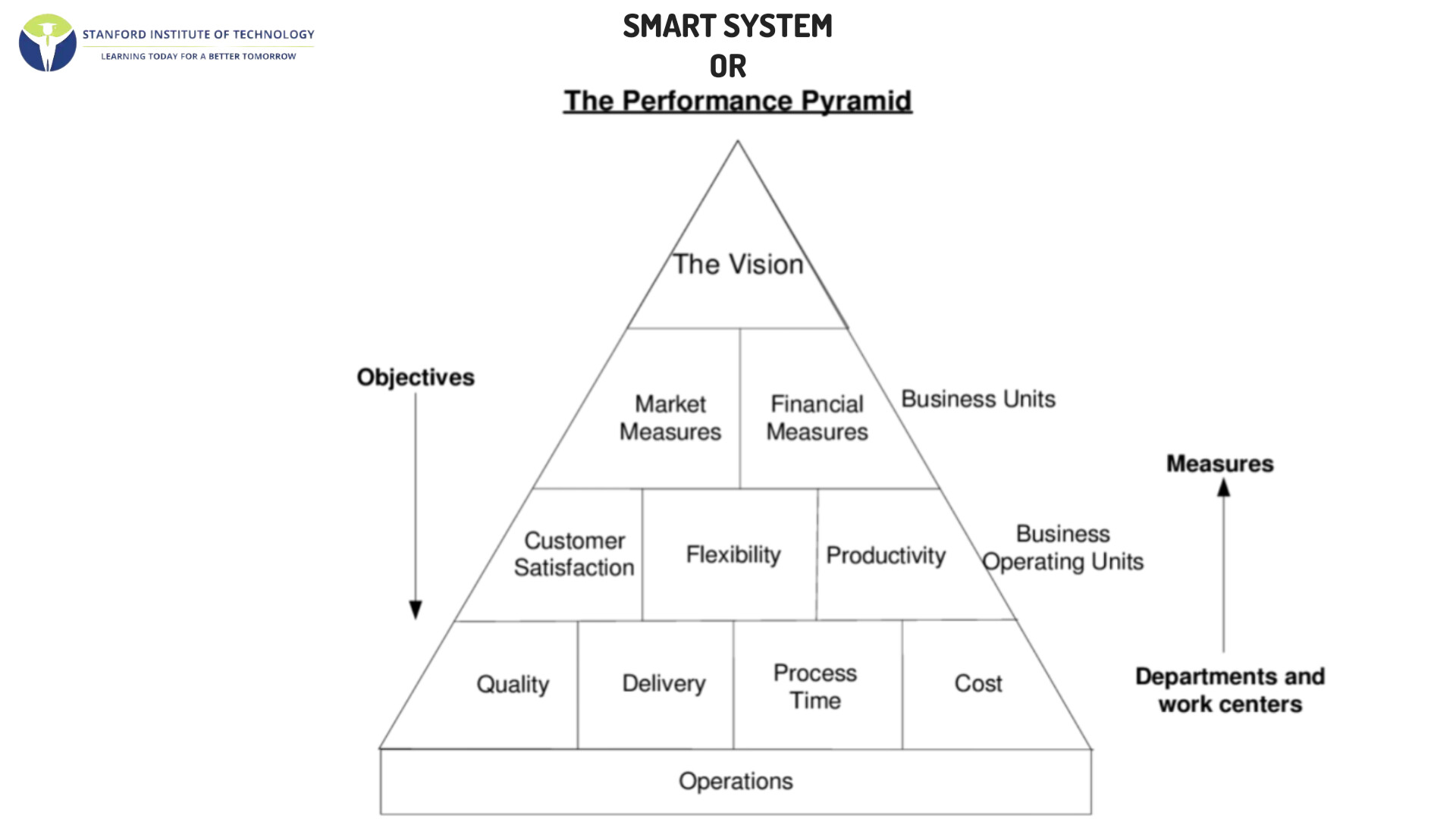
3. Performance Pyramid or “SMART” System:
It defines and sustains success through performance indicators. Leaders develop the vision, and managers set targets and bridge measures.
4. Performance Prism:
It starts with stakeholders’ wants and needs. Leaders formulate strategies, and managers implement procedures.
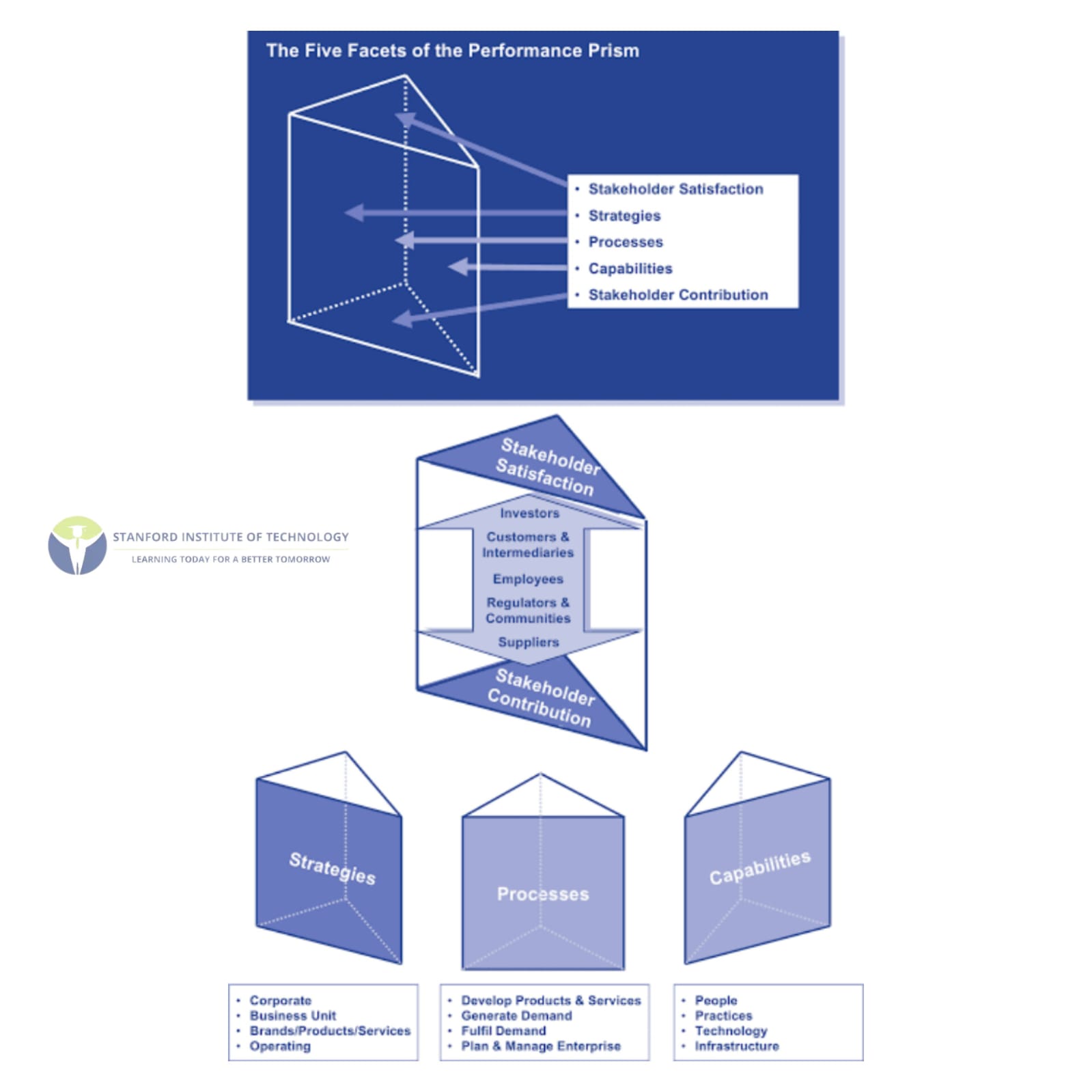
These frameworks guide organisations towards excellence in leadership and management.
The Synergy of Leadership and Management and Benefits of Enrolling in Leadership and Management Courses
By integrating leadership and management, organisations create a balanced approach. Enrolling in leadership and management courses can provide aspiring leaders with numerous benefits, including:
- Enhanced Leadership Skills: Leadership courses can help individuals develop essential leadership skills such as communication, decision-making, problem-solving, and strategic thinking.
- Improved Management Competencies: Management courses can help individuals develop competencies such as planning, organizing, delegating, and monitoring, which are essential for effective management.
- Increased Self-Awareness: Leadership and management courses often include self-assessment tools that help individuals identify their strengths and weaknesses, enabling them to develop a plan for self-improvement.
- Networking Opportunities: Leadership and management courses provide opportunities to connect with other professionals in the field, enabling individuals to expand their network and learn from others’ experiences.
- Career Advancement: Enrolling in leadership and management courses can enhance an individual’s resume and increase their chances of career advancement.
Conclusion
Leadership and Management are two different processes that are so intricately intertwined that they often confuse people. The Performance Prism, EFQM Excellence Model and other models show how leadership and management roles work like a clog in a business ‘machine’. It is safe to say that Leadership and Management are the driving forces of a company, and they are supported by the teams, resources, and processes.
Where to enrol for a Leadership and Management Course in Melbourne?
If you are someone to transform into a leadership and management position, then you should enrol for a management and leadership course in Melbourne. Find the best courses in Melbourne at Stanford Institute of Technology. We are a CRICOS (Commonwealth Register of Institutions and Courses for Overseas Students) registered RTO. We offer excellent student support and the best education for working professionals and students.